
Somali Welfare Use in Minnesota Sparks National Debate
Started 10 months ago by Chief Moderator in Opinion
Somali Welfare Usage in Minnesota: Fraud, Poverty, Failed Policies, or Scapegoating of a Single Community? Have Your Say!
Body
By Olanre Francis.
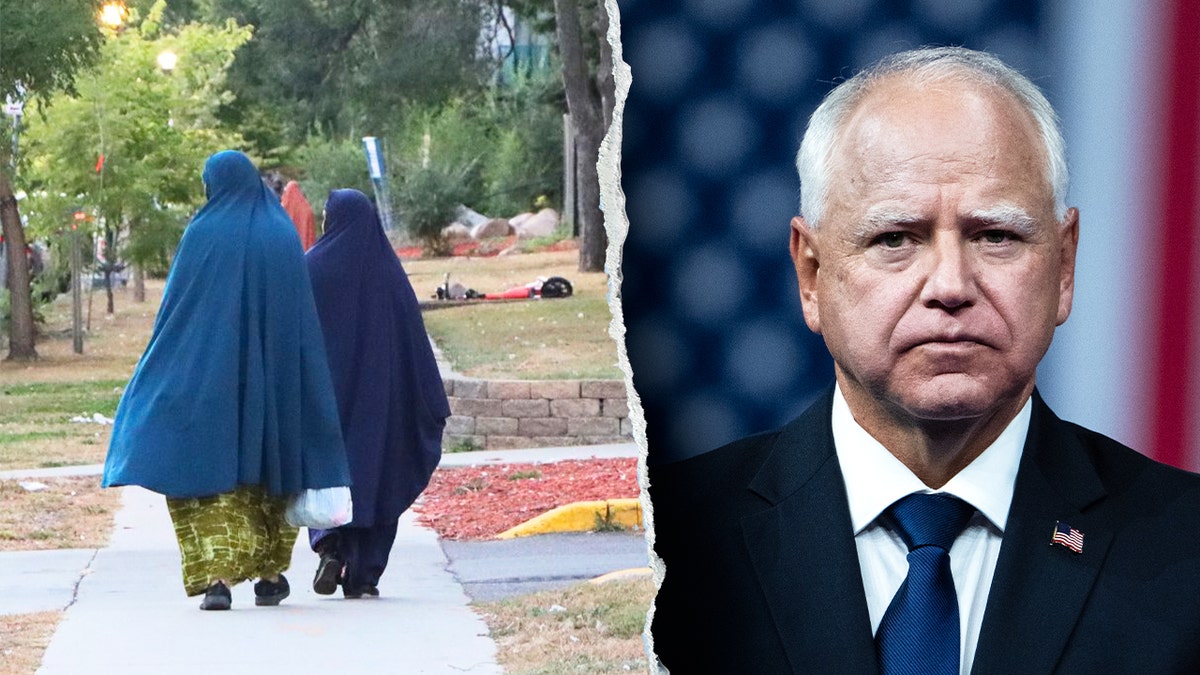
A new report from the Center for Immigration Studies (CIS) has drawn attention to high levels of welfare use among Somali immigrants in Minnesota, raising questions about fraud, dependency, and immigration policy.
The Somali community in Minnesota, estimated at 80,000 people, is concentrated in Minneapolis and St. Paul. According to CIS, 81% of Somali immigrant households rely on some form of welfare assistance. This includes 54% on food stamps and 73% on Medicaid. Even households that have lived in the U.S. for more than a decade show similar reliance, with 78% on welfare, compared to 21% of native households. Somali households with children report even higher rates, at 89%.
CIS noted that high poverty rates make many Somali families legally eligible for aid, but warned that dependency remains a systemic issue. The report suggested that reducing new arrivals with low earning potential may be more effective than focusing solely on fraud enforcement.
The findings have fueled political debate. Stephen Miller, White House Deputy Chief of Staff for Policy, criticized the Somali refugee program, claiming it was “predicated on a lie” and accusing Democrats of importing “dysfunctional societies” into American communities. His remarks reflect broader concerns among critics who argue that Somali immigration has strained public resources and undermined integration efforts.
The report highlights a sharp disparity in welfare reliance between Somali immigrant households and native-born Americans, intensifying scrutiny of refugee resettlement programs and sparking renewed debate over immigration, poverty, and public benefits in Minnesota.
1 Replies
-
@Moderator

Replied 10 months ago
What's Your Palaver?
Minnesota’s Somali community is once again at the center of controversy. A new report shows that more than 80% of Somali immigrant households rely on welfare programs, far above the national average. Critics call this fraud and dependency, while others argue it reflects poverty and legal eligibility. The numbers have reignited a fierce debate: is this a failure of immigration policy, a symptom of systemic poverty, or a case of scapegoating one community for America’s larger struggles with inequality?
What's your take?